
Recent Projects
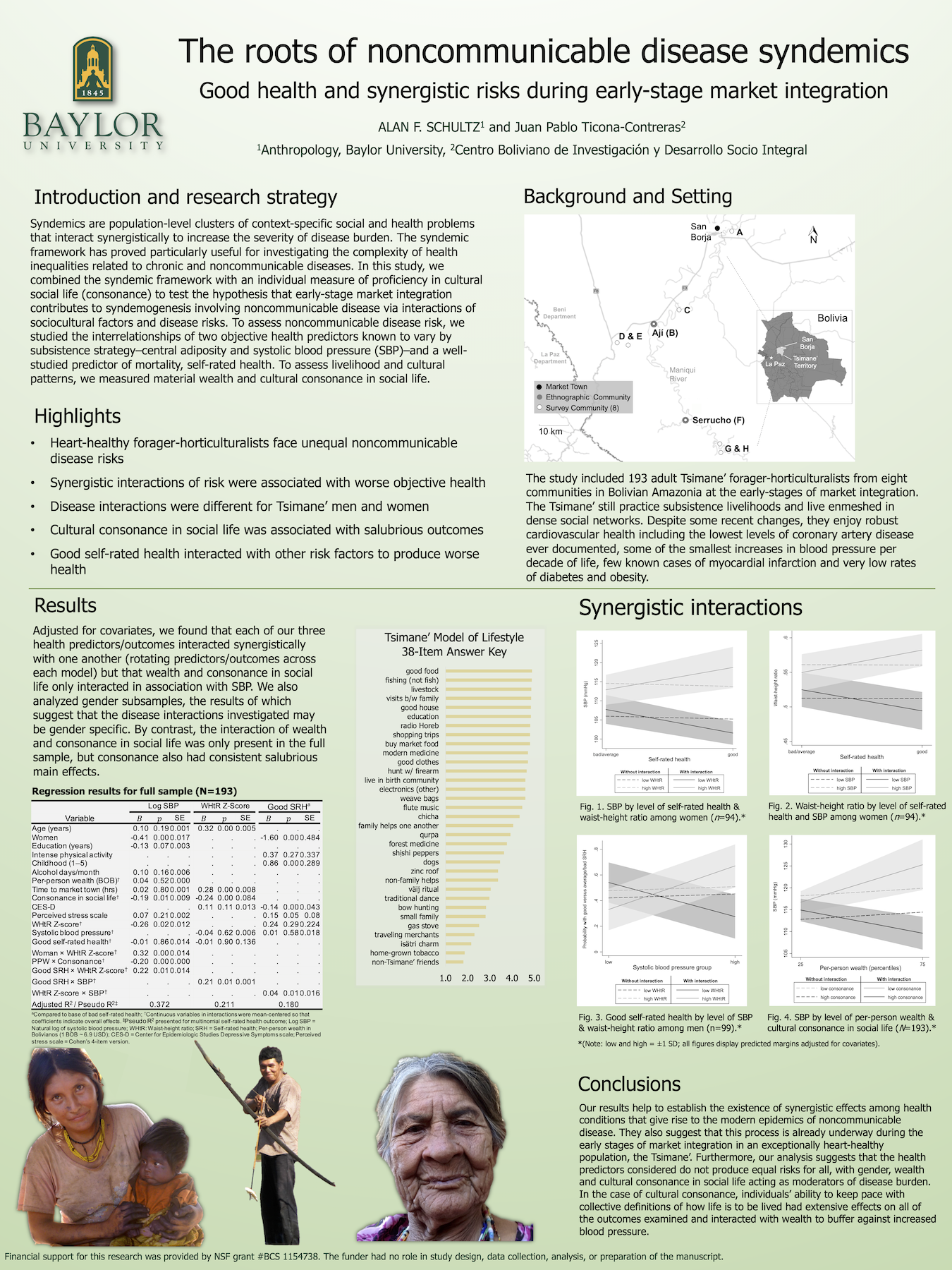
ABSTRACT Syndemics are population-level clusters of context-specific social and health problems that interact synergistically to increase the severity of disease burden. The syndemic framework has proved particularly useful for investigating the complexity of health inequalities related to chronic and noncommunicable diseases. In this study, we combined the syndemic framework with an individual measure of proficiency in cultural social life (consonance) to test the hypothesis that early-stage market integration contributes to syndemogenesis involving noncommunicable disease via interactions of sociocultural factors and disease risks. To assess noncommunicable disease risk, we studied the interrelationships of two objective health predictors known to vary by subsistence strategy–central adiposity and systolic blood pressure (SBP)–and a well-studied predictor of mortality, self-rated health. To assess livelihood and cultural patterns, we measured material wealth and cultural consonance in social life.
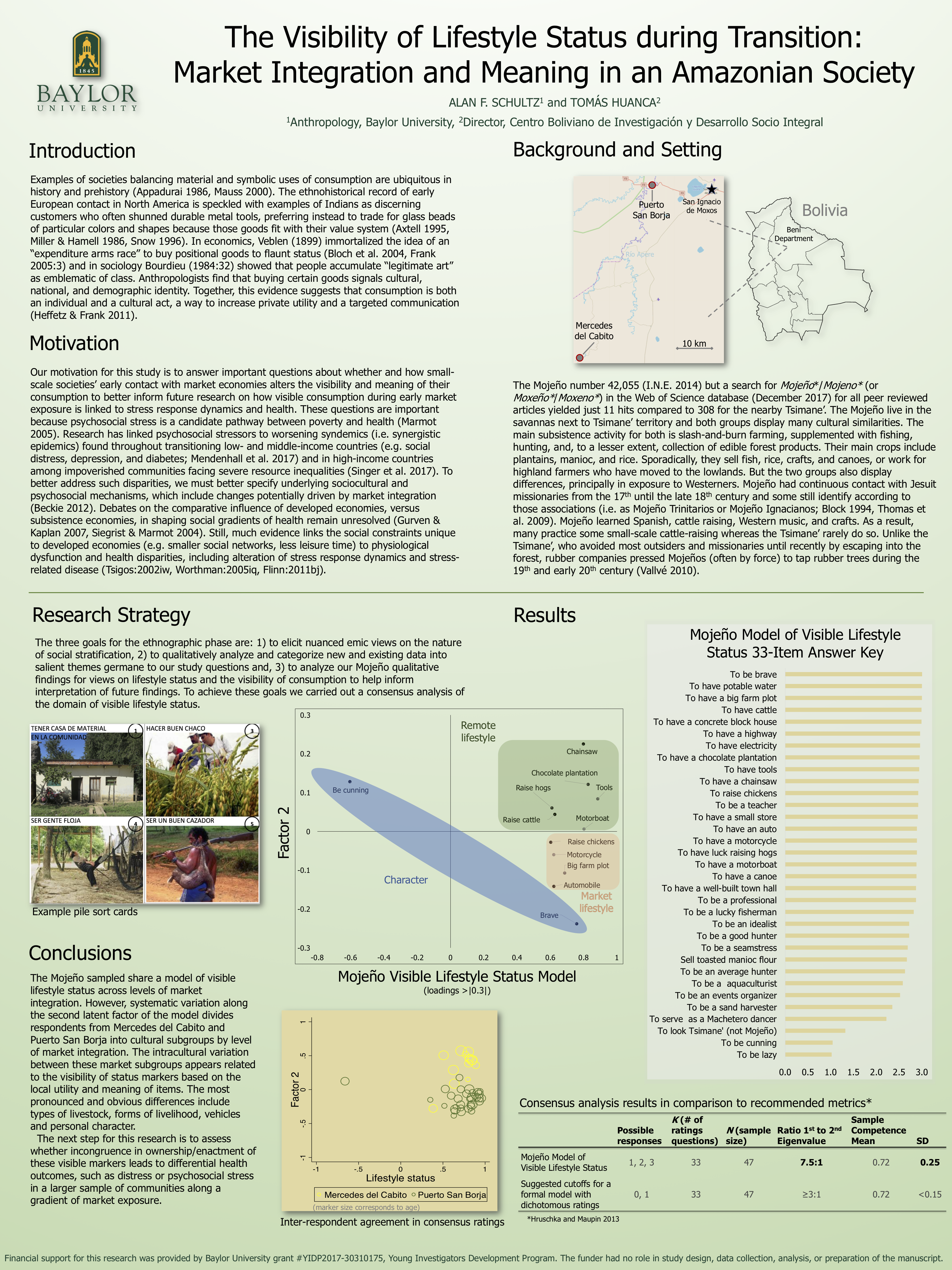
CONCLUSION The Mojeño sampled share a model of visible lifestyle status across levels of market integration. However, systematic variation along the second latent factor of the model divides respondents from Mercedes del Cabito and Puerto San Borja into cultural subgroups by level of market integration. The intracultural variation between these market subgroups appears related to the visibility of status markers based on the local utility and meaning of items. The most pronounced and obvious differences include types of livestock, forms of livelihood, vehicles and personal character. The next step for this research is to assess whether incongruence in ownership/enactment of these visible markers leads to differential health outcomes, such as distress or psychosocial stress in a larger sample of communities along a gradient of market exposure.
Past Projects
Dissertation Research: Culture, Change and Chronic Stress in Lowland Bolivia (funded by NSF #1154738), Jan 2012–Jul 2013
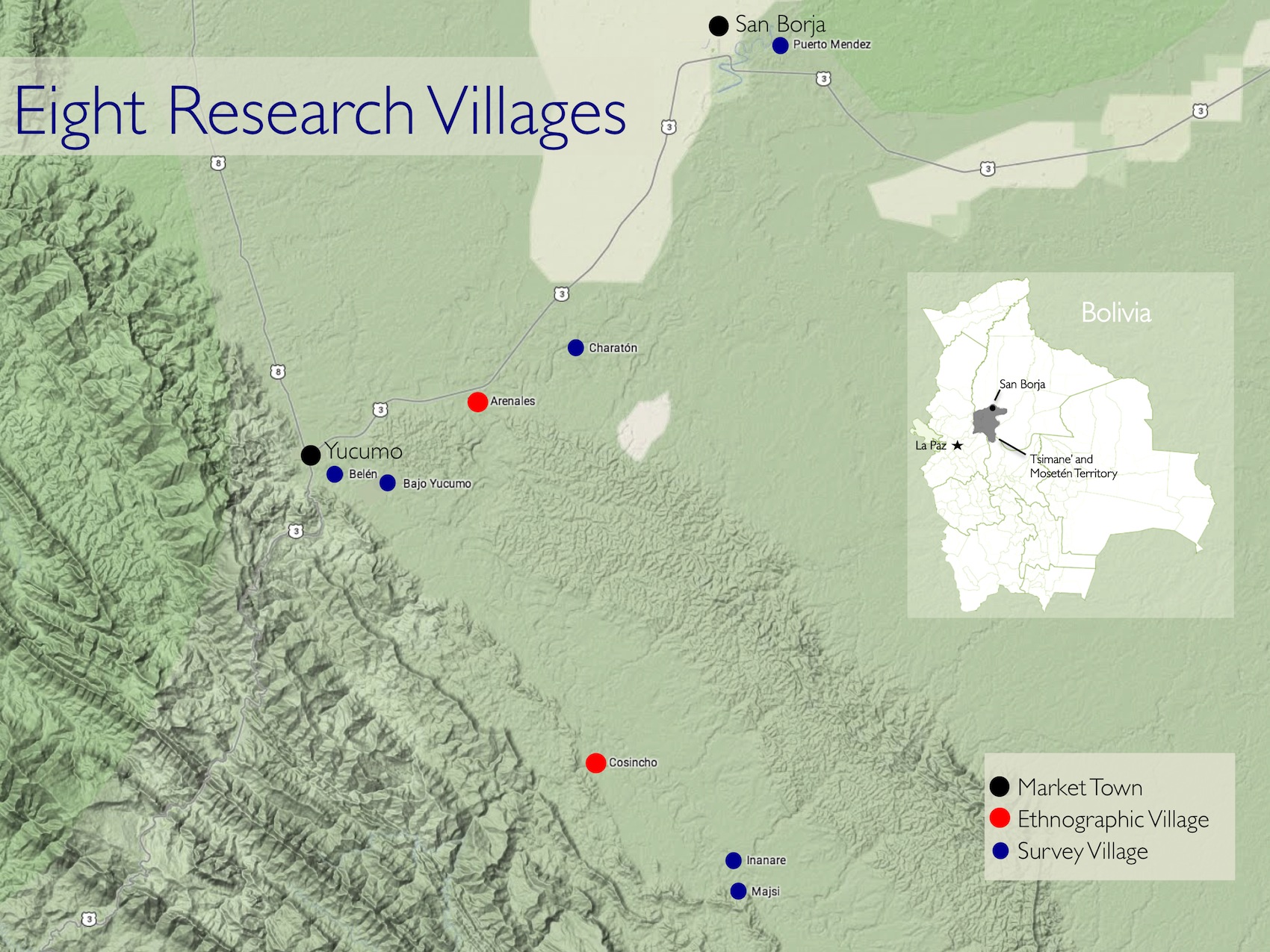
ABSTRACT University of Florida doctoral candidate, Alan Schultz, supervised by Dr. Clarence Gravlee, will undertake research on the relationship between stress and socio-cultural change. The research will be carried out among a group of foraging-farmers, the Tsimane’ of lowland Bolivia, who are at an early stage of exposure to markets and non-traditional cultures. The researcher will try to solve the puzzle of why Tsimane’ have some of the lowest known rates of short-term stress biomarkers and related adverse health outcomes despite two decades of increasing market exposure, which is usually associated with increased stress and worsening health.
The study will take up these topics using a variety of social science methods, including long-term participant observation focused on local experiences and interpretations of market exposure and social stratification. Key points of focus are the psychosocial stress pathway and culture’s role in shifts of the balance between stressors and resistive resources. Structured ethnography will be used to isolate cultural models of social status, social relations and material lifestyle. The project culminates in an epidemiologic survey that tests individual beliefs and behavior against shared ideals linking these to the stress process and outcomes such as blood pressure and a retrospective stress biomarker, hair cortisol. The project also includes an innovative investigation of the impact of local ontology on the effects of market integration and an examination of the impacts of the local research economy that has resulted from the fact that as one of the world’s last relatively isolated populations, the Tsimane’ have hosted researchers for decades.
The research is innovative because it links culture and meaning to individual biological and health outcomes in a population that has so far remained resistant to stress and related poor health. More generally, isolation of the roles that culture and meaning have played in limiting stress during market exposure will suggest alternative areas of inquiry on chronic stress in other populations. Supporting the research also supports the education of a graduate student.
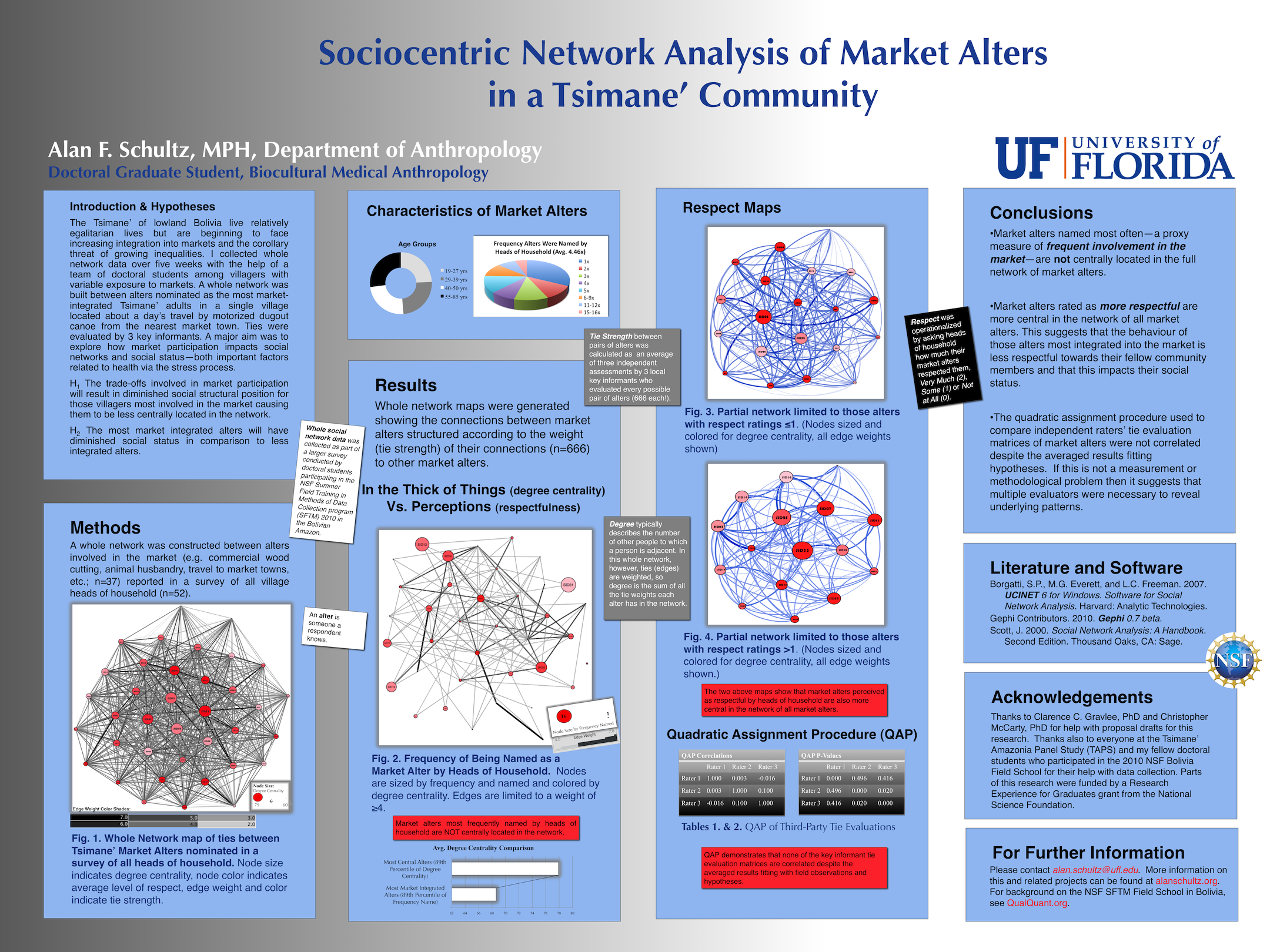
The purpose of this study is to characterize aspects of the social structure of all adult residents of a Tsimane’ village in Beni Department, Bolivia. The two major aims of the project are, (1) to answer several questions regarding the application of social network analysis in this novel environment and, (2) to map pilot social networks that will include both egocentric (personal) and sociocentric (whole) network data.
Work as a Graduate Research Assistant
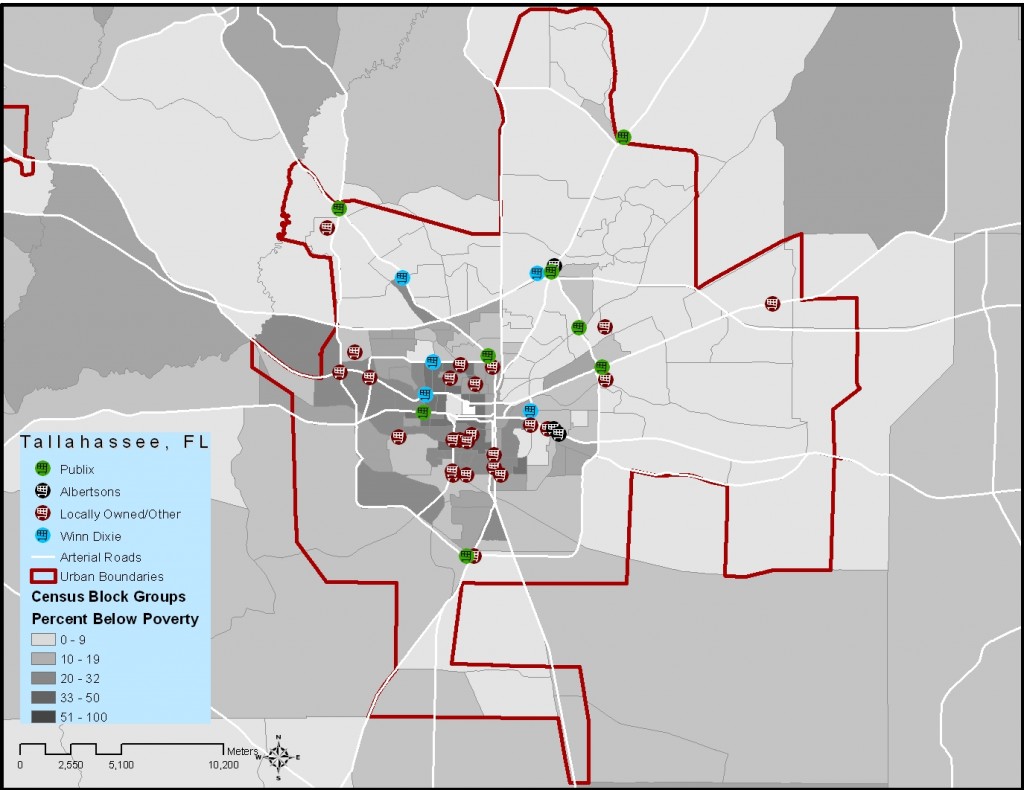
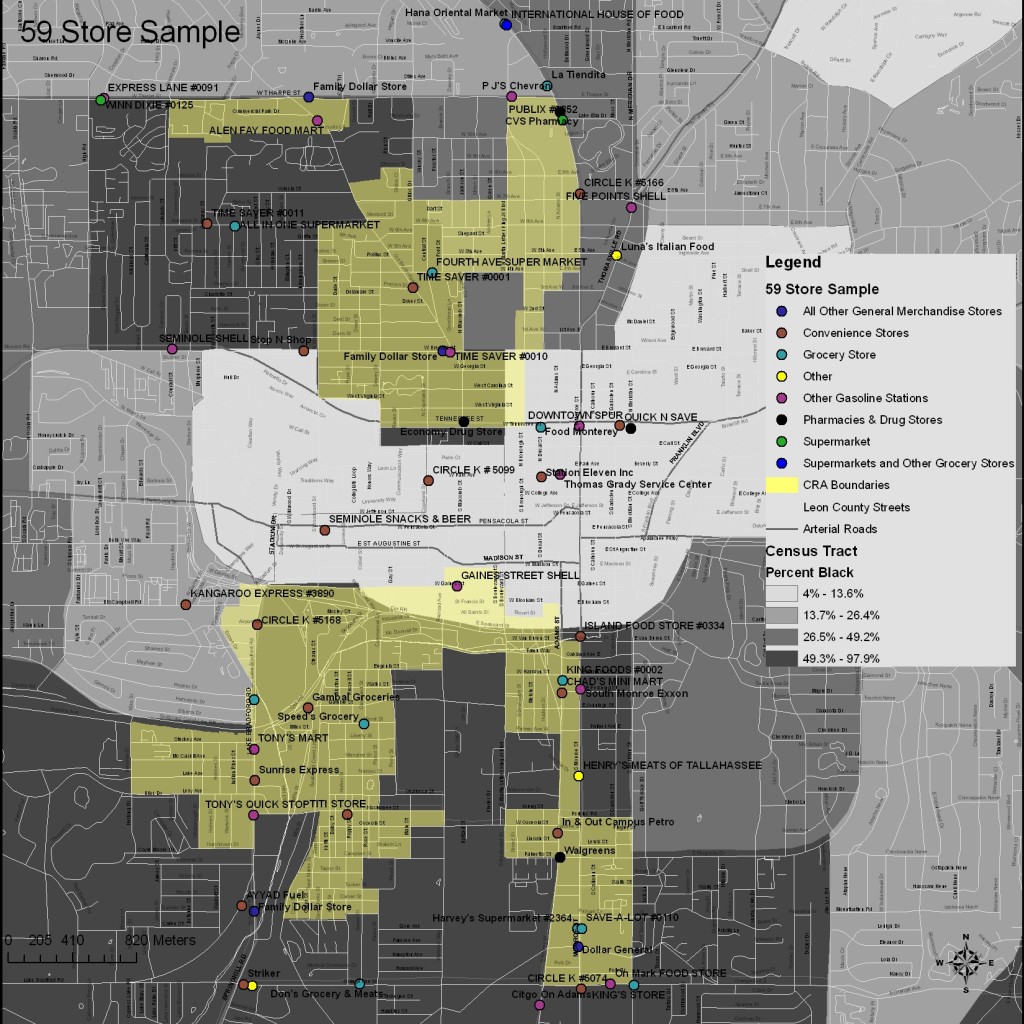
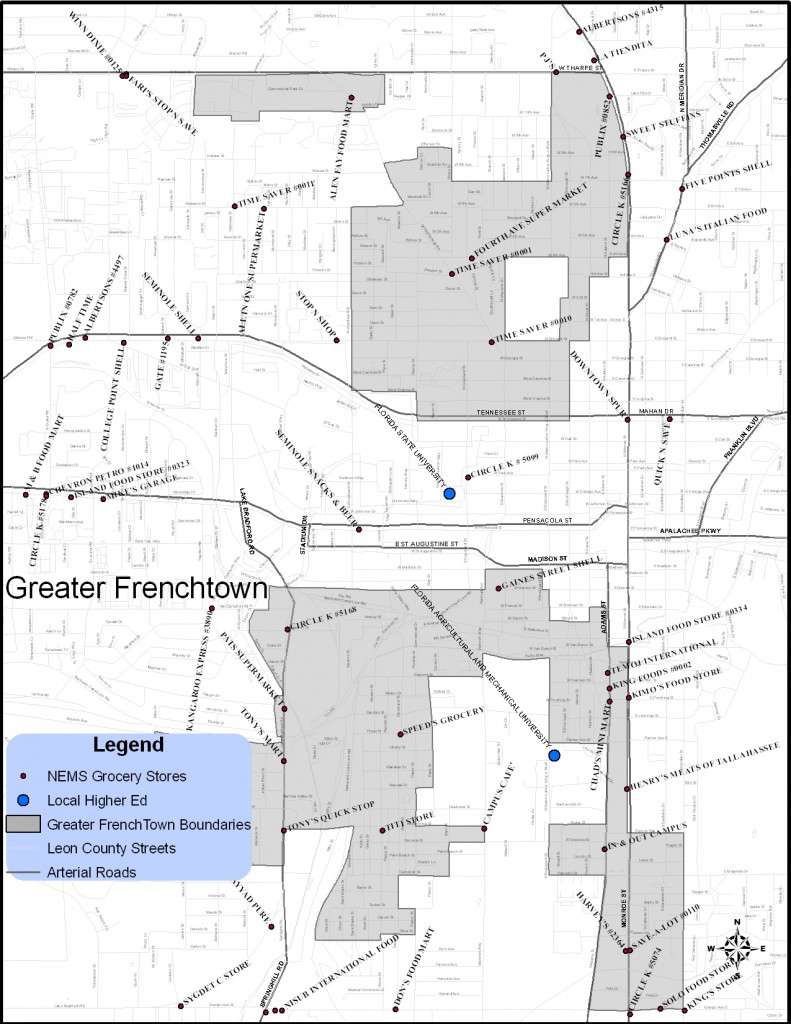
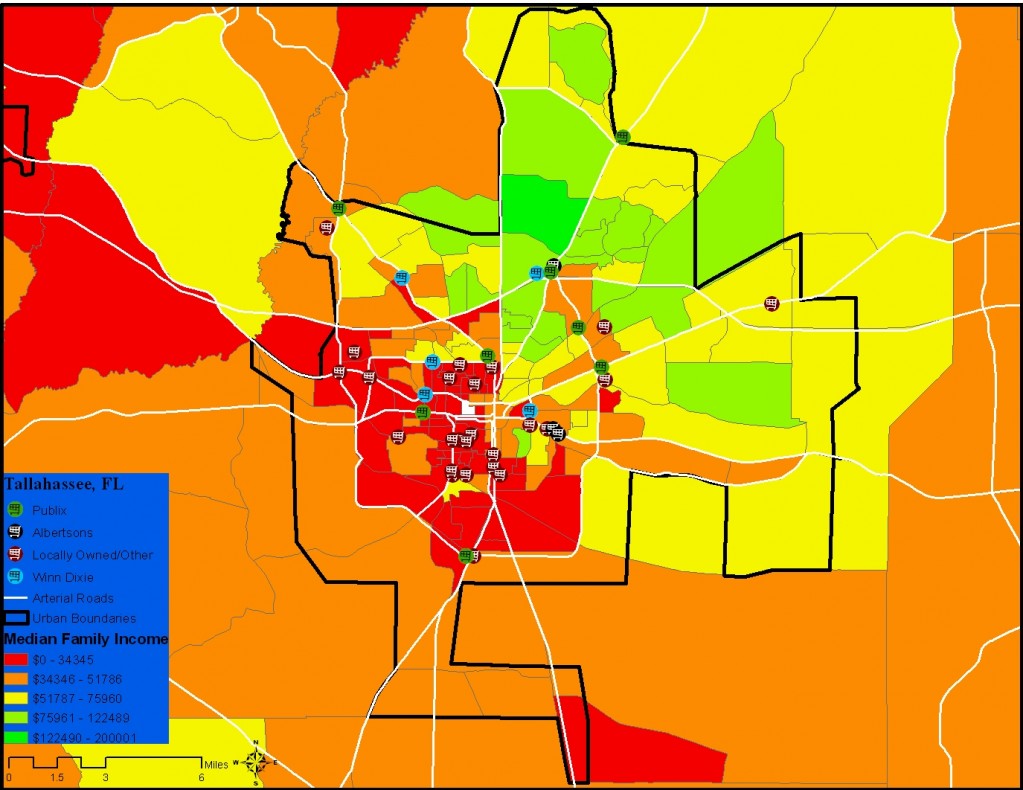
This project focuses on how social and cultural factors shape the experience of racism and other social stressors that contribute to poor health. (Clarence Gravlee and Chris McCarty, PIs). For the qualitative data analysis we used MAXQDA. For geographic mapping we used ArcMap from ESRI.
Fellow, California Epidemiologic Investigation Service, UC Berkeley and Office of AIDS, California Department of Public Health
Studying Youth in Northern California
The SYNC project is a collaborative effort between several regional agencies and universities in northern Californian. As a Cal-EIS fellow at the Office of AIDS I co-coordinated the formative qualitative phase of research. We built a team of researchers that spanned medical anthropology and public health/epidemiology. My goal for the project was to build a better risk assessment survey that expanded beyond past epidemiologic surveys by concurrently considering different ontologies of risk; 1) health risk focused on biological mechanisms, 2) population risk due to personal knowledge, attitudes and practice (KAP), and 3) sociocultural determinants of health that help to set the boundaries for KAP like mistrust of authorities due to historicized beliefs in marginalized communities.
Our work was community-based participatory research that required buy-in from numerous parties of interest. I spent much of my time as co-coordinator building goodwill. We met with youth and advocates at shelters and halfway houses, law enforcement officials, school directors, drug clinic staff, needle exchange program coordinators and many others across northern California. Meanwhile our colleagues from the socializing disciplines (in this case medical anthropology) led qualitative data collection and analysis among vulnerable groups of youth as well as service providers and community leaders to gauge the various ontologies of the interventionists and the intervened-upon; the addicted and the vulnerable. The final report found that the typical focus of past surveys on biology and KAP was too myopic and glossed over the sociocultural determinants of risk. The epidemiologic survey was therefore expanded to include measures of social capital, family history and neighborhood environment.
HEYMAN
A Survey of HIV Seroprevalence, Markers for Hepatitis and Sexually Transmitted Diseases, and Assessment of Associated Risk Behaviors in Young Men Residing in Low-Income Neighborhoods in Five Northern California Counties is a sequel to the Young Women’s Survey (YWS) which was conducted between the period of 1996- 1998. Just like YWS, HEYMAN is a collaboration of the California Department of Health Services, Office of AIDS and Center for AIDS Prevention Studies.
CDC’s Medical Monitoring Project
The primary objectives of MMP are to obtain data from a probability sample of HIV-infected persons receiving care in California in order to:
- Describe HIV care and support services being received and the quality of such services;
- Describe the prevalence and occurrence of co-morbidities related to HIV disease;
- Determine prevalence of ongoing risk behaviors and access to and use of prevention service among persons living with HIV;
- Identify met and unmet needs for HIV care and prevention services in order to inform community and care planning groups, health care providers, and other stakeholders
Graduate Student, Epidemiology, University of Iowa College of Public Health
In my masters practicum project I worked with medical geographers and epidemiologists to develop and test geographical proxy measures for vulnerable persons. The work addressed a particularly delicate need to protect victims of IPV while effectively evaluating the impact on health outcomes from geography on access to prevention and victim services throughout Iowa. That is, I had to figure out how to incorporate geographical risk assessments into future research among victims of IPV while eliminating any chance of those victims being put at further risk for participating in the research.
I came to this particular project after first working for a year as a certified advocate for victims of domestic abuse at the Domestic Violence Intervention Program of Iowa City, IA. My work as an advocate turned what might have otherwise been a more abstract exercise into a very real and personal project. I quickly realized that such measures would enable research that could demonstrate the dire need for expanded access to IPV services, especially those facilitated through local law enforcement departments, which I knew to be highly inconsistent. I also knew that other problems such as the outsized number of victims and families we had to turn away from shelter and the dramatic difference a responsive police force can make in victims lives could be better articulated to policy makers with the weight of peer-reviewed research findings behind them. My work was published (Beyer, Schultz and Rushton 2007) and used to inform geographic measures for an epidemiologic survey among IPV victims in Iowa.